Do you see your competitors climbing in Google’s search results while your own website is struggling to attract visitors and generate business?
Not appearing on Google’s first page means you are losing ready-to-buy customers to your competitors every single day. At Grid Digital AB, a leading marketing agency in Stockholm, we help companies every day to unpack the “black box” of Google marketing with a focus on concrete results. This article gives you a clear action plan. By following our steps, you can transform your website from invisible to a dominant force in the search results.
Table of contents
- Step 1: The basics (Technical indexing)
- Step 2: Local visibility – Fast results
- Step 3: Organic ranking (SEO strategy)
- Step 4: Build authority through off-page SEO
- Step 5: Paid advertising via Google Ads
- Measuring success: KPIs you should track
- Related sources
Step 1: The basics (Technical indexing)
To be visible on Google, you first need to lay a solid technical foundation. Without a solid base, Google may struggle to find and understand your website. Here are the most important issues you need to solve first:
| Important technical components | What they do | Tips for the website |
|---|---|---|
| Google Search Console | Tool for monitoring indexing | Register your website and submit an XML sitemap to improve visibility. |
| Robots.txt | Controls which parts Google may visit | Make sure the robots.txt file does not block any important content. |
| Mobile-friendliness | Ensures that the site works on mobile devices | Use mobile-friendliness testing tools; Google prioritises mobile-first indexing. |
Google Search Console: Your control panel
This is the first step to ensuring that Google can index your website correctly. Register your website, submit sitemaps and track how Google reads your pages. Here you can also receive alerts about technical issues.
Robots.txt: Tell Google what should be seen
This file controls which parts of your website Google has access to. The right settings ensure that important pages are indexed, while private or unnecessary pages are excluded from the search results.
Mobile-friendliness: Must be excellent
Google now uses a mobile-first indexing strategy, which means your website must work perfectly on mobile devices. Otherwise, your ranking can drop drastically.
Summary:
Always start with the technical level to create the right conditions for Google to find and understand your pages. Otherwise, it does not matter how good your content is – it will be difficult to be visible on Google.
Want to avoid the hassle? Grid Digital helps you lay this important foundation!
Step 2: Local visibility – Fast results
Appearing on Google My Business (Business Profile) is often the fastest way to attract more visitors. Create and optimise your Google Business Profile first. This is crucial for your company to appear in local search results and on Google Maps.
Manage reviews
Reviews not only affect potential customers’ perception, but are also crucial for your local search engine optimisation (SEO). Make sure to:
- Respond quickly and politely to both positive and negative reviews.
- Encourage satisfied customers to leave reviews.
- Keep your Google Business Profile active and consistent.
Local photos
Photos make your profile more attractive and help you stand out in the search results. Upload:
- High-quality images from your store or workplace.
- Images of products or services.
- Photos showing staff and work environment.
In summary, these simple steps will increase your local awareness and help you appear on Google quickly, laying a solid foundation for further SEO work.
Step 3: Organic ranking (SEO strategy)
To achieve long-term visibility on Google, the key is to design and implement an effective SEO strategy. Here are three important components:
Keyword analysis
First identify the keywords that customers actually use. Focus on localised keywords as well as terms that are highly relevant to your industry in Sweden. Use tools like Google Search Console to see which keywords are already driving traffic and complement them with new terms that can deliver better results. Understanding search intent is crucial – you must know what people want to find when they search.
On-page optimisation
Make sure each page on the website is optimised for the following basic SEO elements:
- Write meta descriptions and titles with a focus on clear and relevant keywords.
- Use easy-to-understand and search-engine-friendly URLs.
- Use keywords strategically in headings (H1, H2) and body text, but avoid over-optimisation.
- Optimise images, add alternative text (alt tags) and make sure the page loads quickly.
- Adapt the content for mobile users – Google prioritises the mobile version.
Content quality
Google rewards content that provides genuine value. Write clear, relevant and easy-to-read texts for your Swedish target audience. Avoid empty and meaningless content – answer the questions that customers actually care about. You can use local examples and geographic information to strengthen your local SEO. The better the content, the greater the chance of higher keyword rankings and increased organic traffic.
By investing time in these aspects of your SEO strategy, you can increase your visibility on Google and reach more potential customers in Sweden.
Step 4: Build authority through off-page SEO
Visibility on Google is not only about what you do on your own site, but also about how other websites view you. Off-page SEO, or authority building, is crucial for increasing your domain authority and improving your ranking.
Backlinks increase visibility
Backlinks are links from other websites to your site. They show Google that your page is valuable and trustworthy. Focus on getting links from relevant and reliable sites within your industry in Sweden. Quality comes before quantity!
Digital PR – Being visible in media and online
The core of digital PR is building relationships and promoting the brand through media, blogs and news sites. A good digital PR strategy can give you more natural external links and increase your visibility on Google. This is an effective way to build credibility locally.
Social signals affect ranking
Social media platforms such as Facebook, Instagram and LinkedIn can send important signals to Google. Active and engaged channels show that your company is alive and up to date. By sharing content that attracts comments and shares, you help strengthen your online reputation.
By focusing on these three aspects of off-page SEO, you can strengthen your website’s authority and increase your chances of exposure on Google – both locally in Sweden and nationally.
Step 5: Paid advertising via Google Ads
While SEO is a long-term strategy, SEM (search engine marketing) via Google Ads can deliver faster results. SEO can gradually increase organic rankings, but sometimes you need extra traction to overtake your competitors.
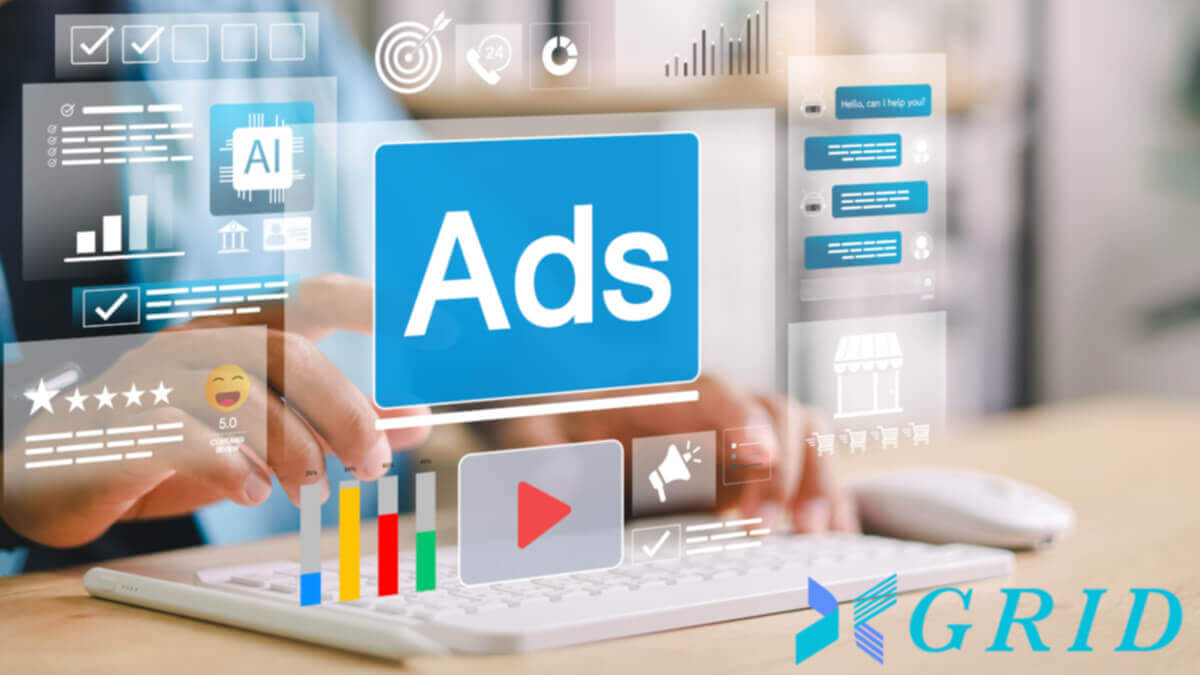
SEO vs SEM – Which should you choose?
- SEO is best for achieving sustainable organic traffic and strengthening the website’s authority.
- SEM (Google Ads) provides immediate visibility and drives traffic directly, especially during campaigns or product launches.
When should you use Google Ads?
- When competition is tough and organic visibility takes too long.
- To test which keywords convert best before investing heavily in SEO.
- For time-limited offers or local campaigns that need fast exposure.
Find the right audience through precision
Google Ads lets you control your advertising based on:
- Geography – Perfect for local regions and specific cities in Sweden.
- Demographics – Match age, gender and interests with your target group.
- Keywords – Create campaigns around the exact keywords customers use.
- Timing – Choose to show ads when your target audience is most active.
By combining paid advertising with your SEO strategy, you maximise your chances of being visible on Google in Sweden – both in the short and long term.
Measuring success: KPIs you should track
To truly succeed on Google, you must constantly measure your website’s performance. Here are the most important metrics you should keep track of:
Organic traffic
This shows how many visitors you get from Google without paying for ads. More organic traffic means your SEO strategy is working and that your pages are relevant for Swedish users.
Impressions and clicks (CTR)
Impressions are how many times your page appears in the search results, while clicks are the number of people who actually visit your page. Many impressions but few clicks may mean that your titles and meta descriptions need to be more enticing.
Keyword rankings
It is crucial to know how your most important keywords are ranking on Google. The higher the ranking, the more visibility and traffic. Track both local and national rankings so you can adjust your strategy.
Conversions
The most important thing is what happens when the visitor arrives on your site – do they buy something, book a service or fill in a contact form? By measuring the conversion rate, you see which SEO strategies actually generate business value.
By regularly monitoring these indicators, you can follow the development of your website in Google’s index and adjust your strategy for even better visibility.